
Design System
Nuxt UI v4 Design System Audit and Enhancement
The official Nuxt UI v4 Figma kit is a comprehensive design resource built to mirror the development system and support a strong design-to-code workflow. While working with the file, I noticed that its size and structural weight made day-to-day use inside Figma slower and less efficient than expected.
This case study documents how I audited the official design kit, identified performance and structural issues, and improved the file through cleanup, simplification, and the addition of a responsive breakpoint framework missing from the original system.
Project Type:
Design system audit and enhancement
Focus:
Performance, cleanup, and responsiveness
Context:
Personal audit of a publicly available community file

Attribution
This project is based on the official Nuxt UI v4 Figma design kit. My contribution focused on auditing the file, improving its internal performance, simplifying heavy structures, and introducing a responsive breakpoint setup to enhance usability inside Figma.
The Challenge
Although the official kit is comprehensive and well aligned with the Nuxt UI ecosystem, the file became too heavy for efficient day-to-day work inside Figma. Editing interactions felt slower, switching between pages took too long, and the overall experience was affected by performance issues.
I also noticed that some elements in the file did not fully match what was being presented in the documentation, which created a gap between the system reference and the working design resource. In addition, the file did not include a defined breakpoint structure for responsive work.
Audit and Enhancement
I approached the file as both an audit and an enhancement exercise. The first goal was to identify where structural complexity and unnecessary visual weight were affecting performance. The second was to improve the file so it could work more efficiently as an actual design system resource in Figma.
The work included cleaning up frames, simplifying visual structures that were overloading the file, and reducing the overall weight of the system. One practical sign of improvement was memory usage: before the intervention, Figma displayed memory-related warnings, and after the optimization those warnings no longer appeared.
Responsive Framework
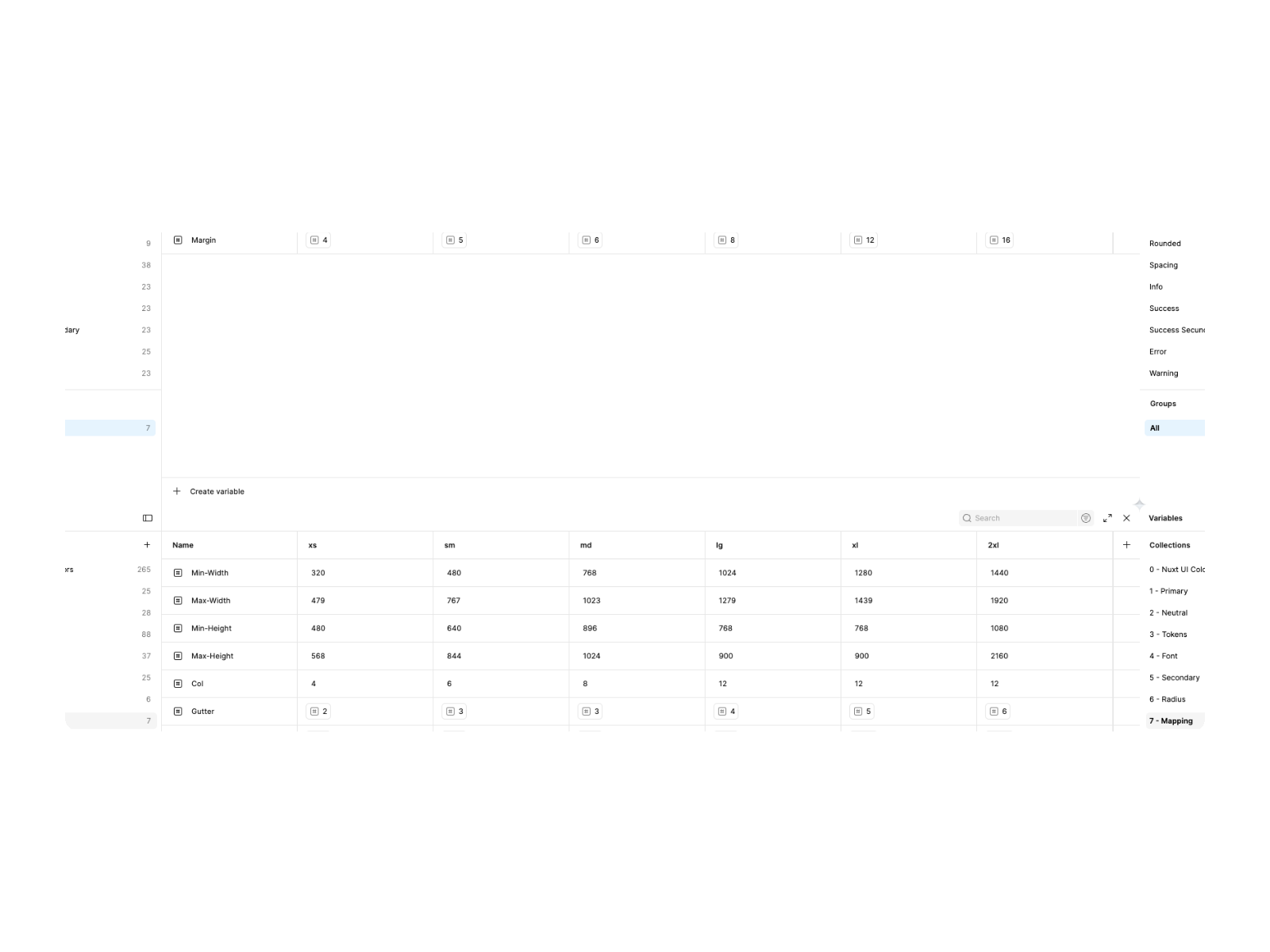
Another important improvement was the introduction of a responsive breakpoint structure. The original file did not define breakpoints, so I created a six-step setup to support more structured responsive design work across different screen sizes.






Outcome
The result was a more usable and better-performing working file, with clearer responsive structure and less unnecessary overhead inside Figma. Rather than changing the core identity of the original system, the goal was to make the file more practical, more efficient, and better suited to real day-to-day design workflows.
View the enhanced file in Figma
Based on the official Nuxt UI v4 design kit, with improvements focused on performance, cleanup, and responsiveness.
Disclaimer
This project is based on the Official UI v4 Figma design kit. My contribution focused on auditing the file, improving its internal performance, simplifying heavy structures, and adding a responsive breakpoint framework to enhance usability inside Figma. The original resource remains the work of the Nuxt UI team and is used here with attribution under the CC BY 4.0 license.